Losing
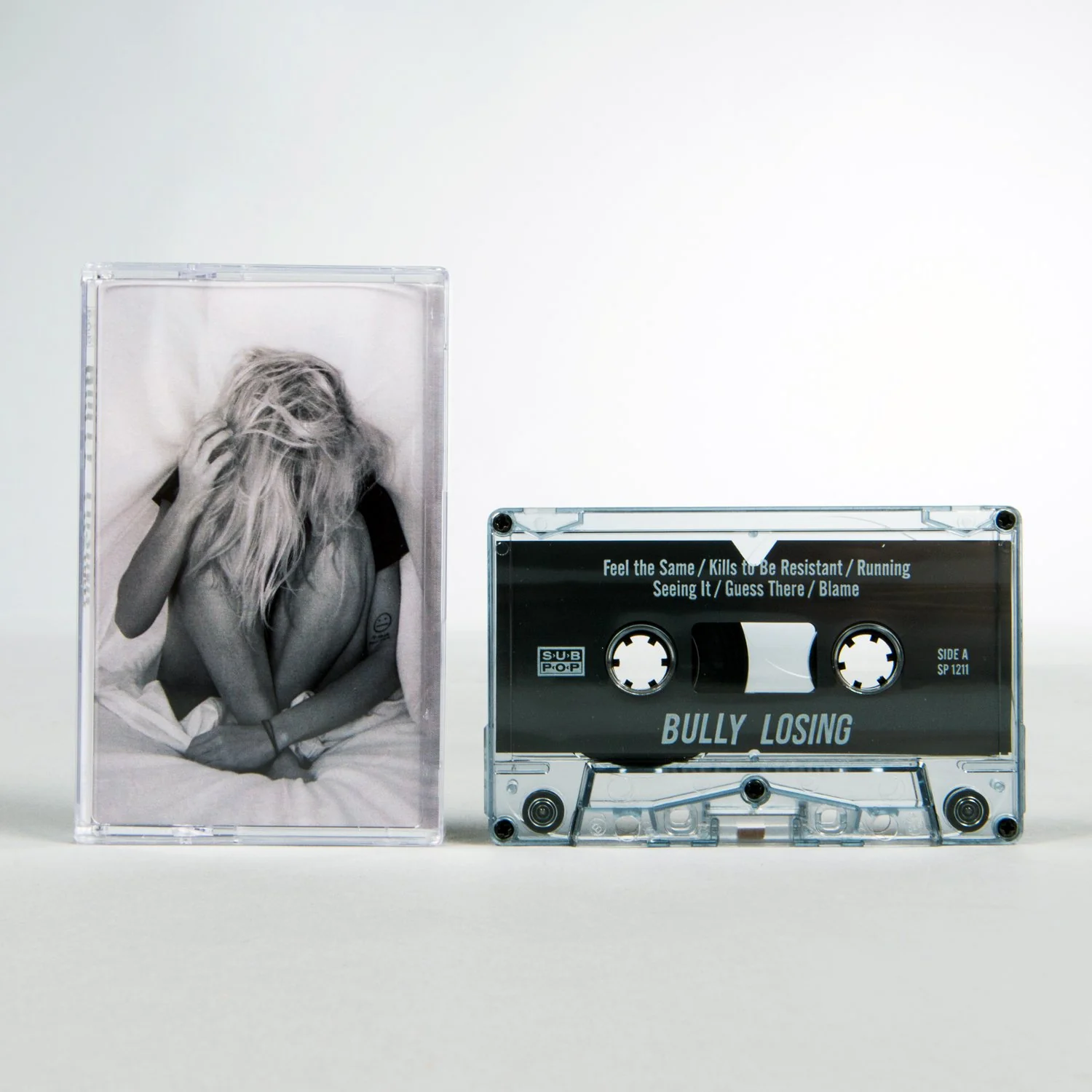
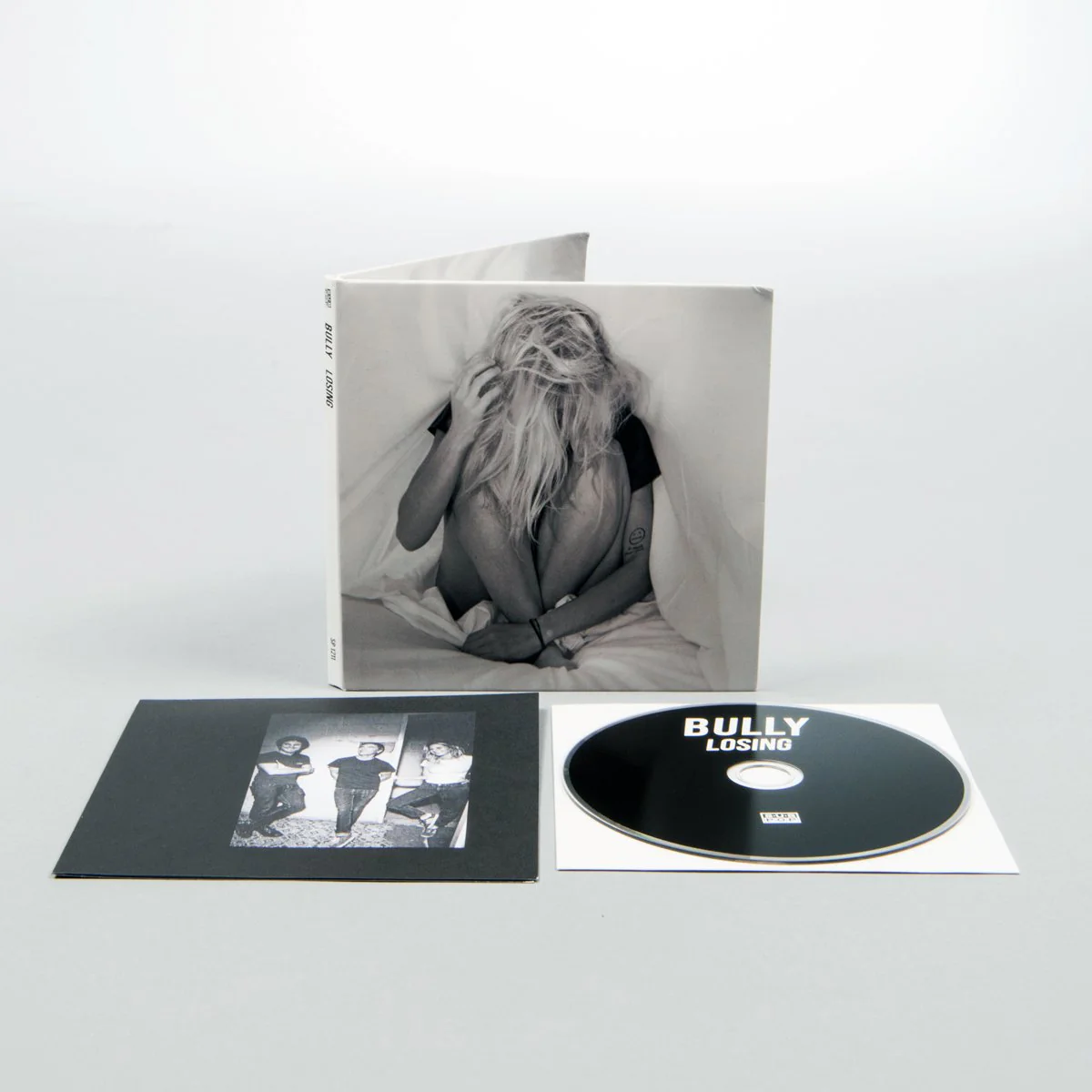
While Bully’s 2015 debut Feels Like tumbled headlong into the precarious nature of Alicia Bognanno’s young adult life, its follow-up Losing is their first for Sub Pop (which in many ways feels like their spiritual home; Bully’s sound is an outgrowth of the bands the label championed in the late ‘80s and ‘90s). Losing is a document of the complexity of growth: navigating breakups with sensitivity, learning not to flee from your troubles but to face them down no matter how messy they may be (“Well, this isn’t the summer I wanted,” she muses on “Blame,” before admitting that she’s trying to “cut down on booze and you”). Written as the group slowed down from touring constantly and Bognanno attempted to adjust to how different a home schedule is from a road schedule, her songwriting has matured from the quick one-two punches of Feels Like to tracks that contemplate the necessity of space in both song structure and emotion. Bognanno’s gruff yet dynamic voice is allowed to bloom, and it has a tenderness and openness to it here that’s new. There are multiple layers of wistfulness and care to her delivery of lines like “It just takes one disagreement for you to remember the one time I fucked up,” from “Spiral,” turning songs that could be one-dimensional kiss-offs into warm and complex expressions of regret.
The group returned to Electrical Audio in Chicago, another home for Bognanno, to record Losing. Their core—Bognanno, guitarist Clayton Parker and bassist Reece Lazarus—truly solidified during the process, a detail-oriented push for perfection in which each moving part was labored over and polished. Emily Lazar’s mastering adds the perfect cap to Bognanno’s engineering; this is a record that has both shimmer and heft. There’s power in the guitar attack, delicacy and toughness in the melodic hooks, precision in the drums, and backbone in the bass.
While Bognanno wouldn’t call this a political record, she doesn’t deny that the current political atmosphere and its urgency and tension haven’t shaped some of her ideas on this record, too—though she does not want that to be its focus. Mostly, this is an internal record, a universalized diary and an exorcism—not of any one specific demon, but of the host of them that characterize contemporary anxieties. Bully are growing up, sure, but their fire is in no way diminishing.



Description
While Bully’s 2015 debut Feels Like tumbled headlong into the precarious nature of Alicia Bognanno’s young adult life, its follow-up Losing is their first for Sub Pop (which in many ways feels like their spiritual home; Bully’s sound is an outgrowth of the bands the label championed in the late ‘80s and ‘90s). Losing is a document of the complexity of growth: navigating breakups with sensitivity, learning not to flee from your troubles but to face them down no matter how messy they may be (“Well, this isn’t the summer I wanted,” she muses on “Blame,” before admitting that she’s trying to “cut down on booze and you”). Written as the group slowed down from touring constantly and Bognanno attempted to adjust to how different a home schedule is from a road schedule, her songwriting has matured from the quick one-two punches of Feels Like to tracks that contemplate the necessity of space in both song structure and emotion. Bognanno’s gruff yet dynamic voice is allowed to bloom, and it has a tenderness and openness to it here that’s new. There are multiple layers of wistfulness and care to her delivery of lines like “It just takes one disagreement for you to remember the one time I fucked up,” from “Spiral,” turning songs that could be one-dimensional kiss-offs into warm and complex expressions of regret.
The group returned to Electrical Audio in Chicago, another home for Bognanno, to record Losing. Their core—Bognanno, guitarist Clayton Parker and bassist Reece Lazarus—truly solidified during the process, a detail-oriented push for perfection in which each moving part was labored over and polished. Emily Lazar’s mastering adds the perfect cap to Bognanno’s engineering; this is a record that has both shimmer and heft. There’s power in the guitar attack, delicacy and toughness in the melodic hooks, precision in the drums, and backbone in the bass.
While Bognanno wouldn’t call this a political record, she doesn’t deny that the current political atmosphere and its urgency and tension haven’t shaped some of her ideas on this record, too—though she does not want that to be its focus. Mostly, this is an internal record, a universalized diary and an exorcism—not of any one specific demon, but of the host of them that characterize contemporary anxieties. Bully are growing up, sure, but their fire is in no way diminishing.